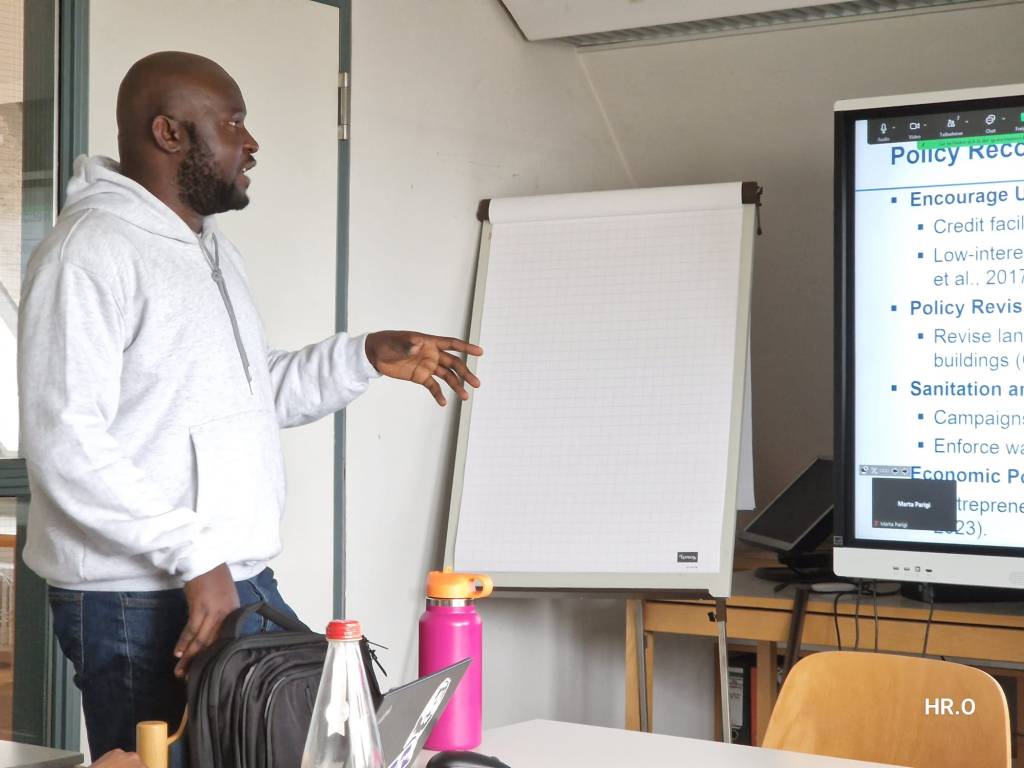
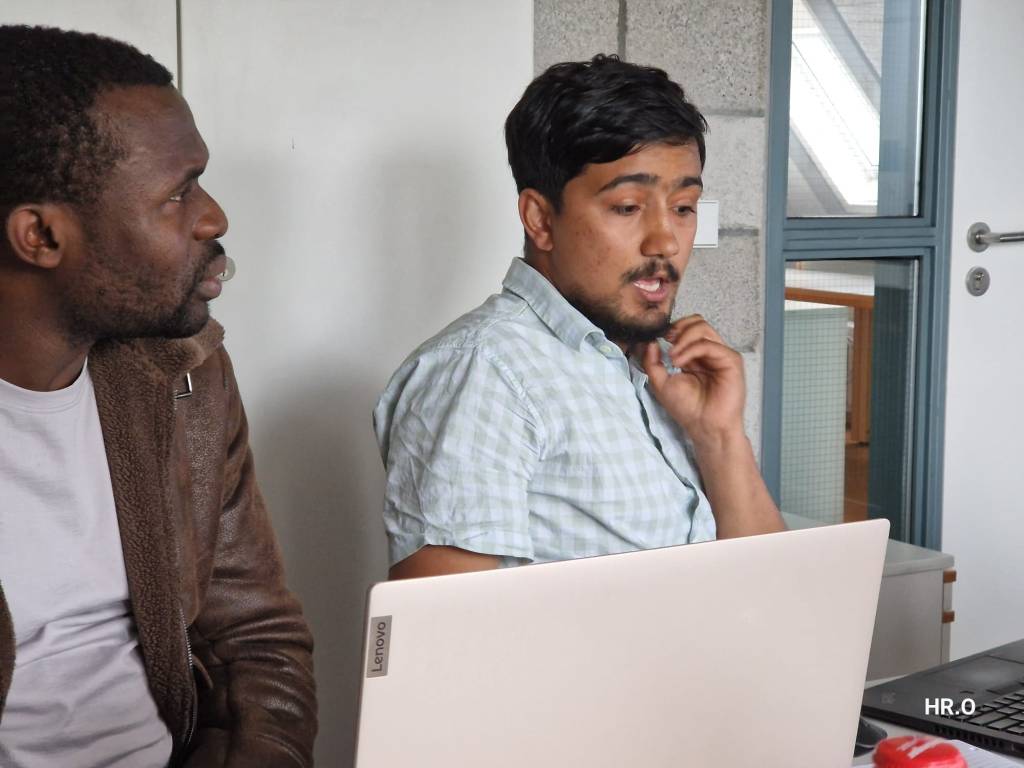
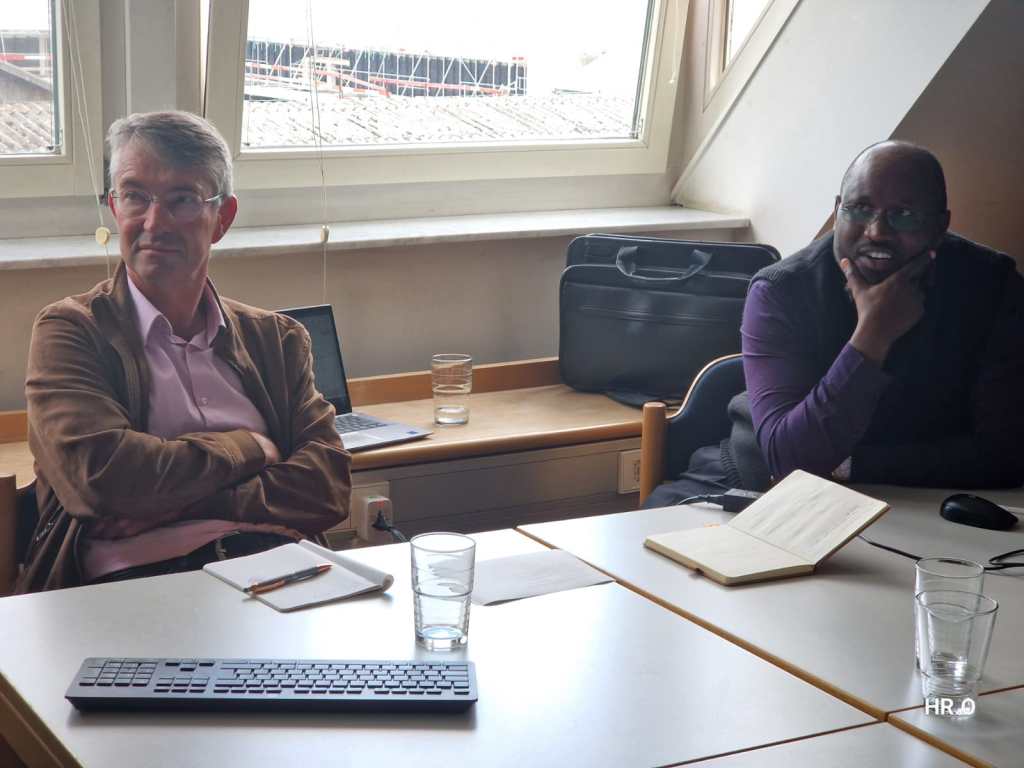
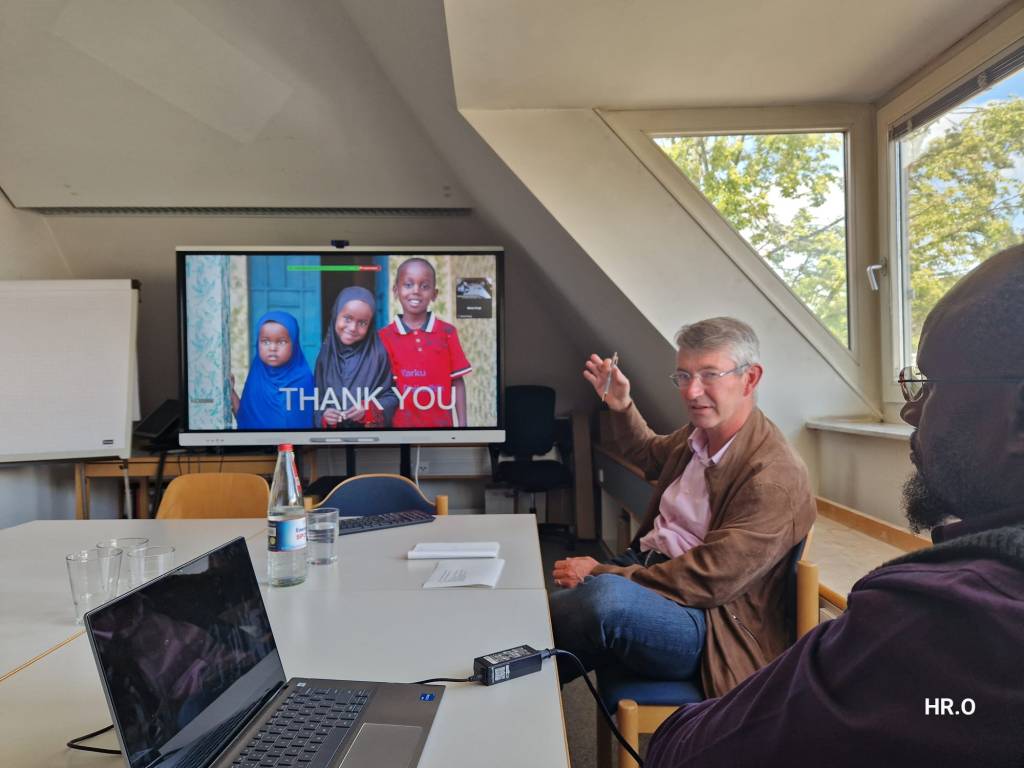
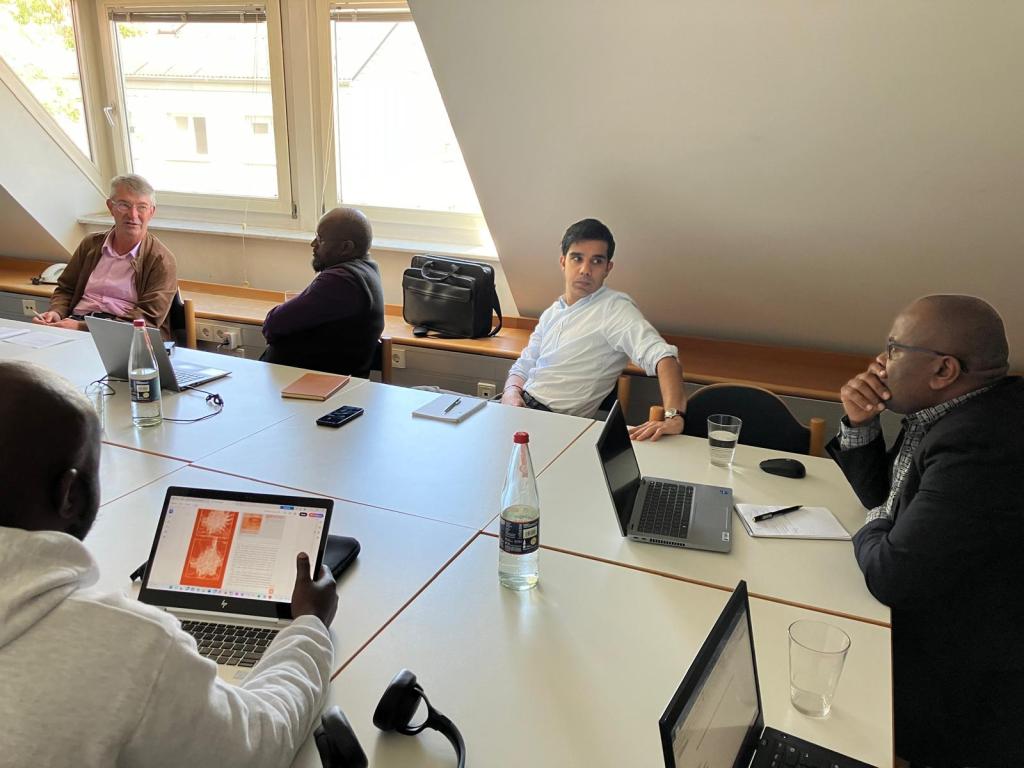
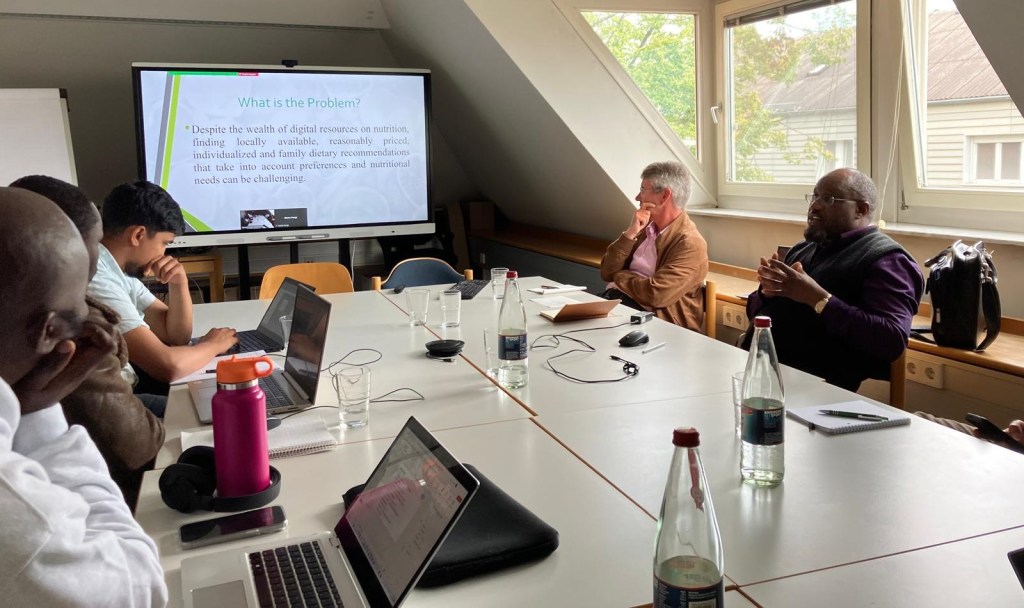
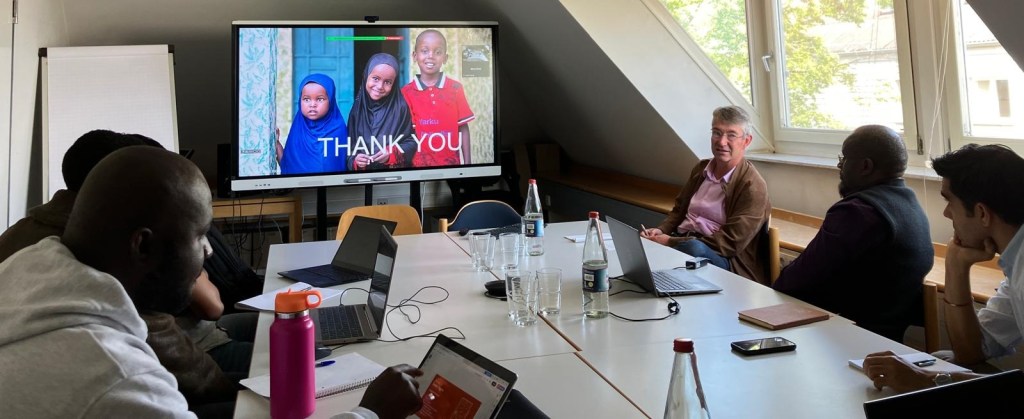
On 27 May 2024, the second Young Scientist Workshop took place as a hybrid event at the University of Hohenheim in Stuttgart. Graduate students presented their research on food security and nutrition topics in Sub-Sahara Africa and beyond. Our partners from Kenya – Dr. Samuel Mburu from the Save the Children Kenya and Dr. Samuel Oonge from the Maseno University – delivered keynote talks. Both young scientists as well as researchers and practitioners profited immensely from the exchange of views, experiences and in-depth discussions. Special thank goes to Dr. Marta Parigi who was the scientific leader of this workshop and both our guests from Kenya! We wish our students best of success with their research papers!
As a crucial component of our study, we are providing each selected household with four straightforward tests to detect the presence of coliform bacteria in their drinking water. One of these tests is administered by a trained enumerator during the baseline survey. This hands-on demonstration not only complements the instructional video we have produced but also ensures that each household in the intervention group receives at least one test.
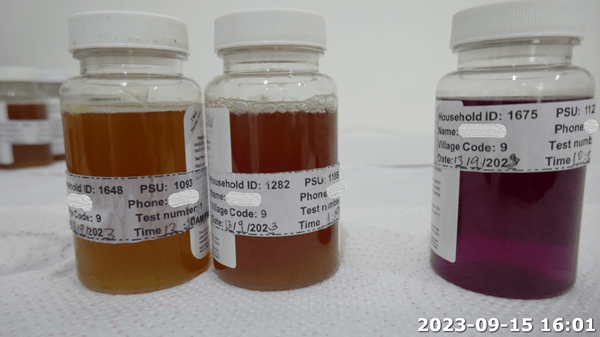
Upon completion, the test is carefully transported to our headquarters in Nairobi using hygienically clean cool boxes. Our principal investigators (PIs) will inspect the results 48 hours after the test has been conducted. The households will be informed of the test results via SMS approximately one week after the test was performed. This procedure has been successfully coordinated with the invaluable support of the Kenyan Ministry of Health. Their assistance has been instrumental in ensuring the smooth execution of our study.
We also thank our local team members and our enumerators for their great work in the field!
Our field team is in the process of conducting the baseline survey for our study on ceramic water filters. Utilizing GPS coordinates and phone numbers of the households gathered during our initial listing activities, our enumerators are focusing on 1,008 households, spread across 144 primary sampling units in Kibera.
The survey, designed by our principal investigators (PIs), takes approximately 40-50 minutes to complete. It collects a wide range of data, including comprehensive household sociodemographic information, subjective health and wellbeing status, wealth and income levels, food and water security measures, and child anthropometrics.
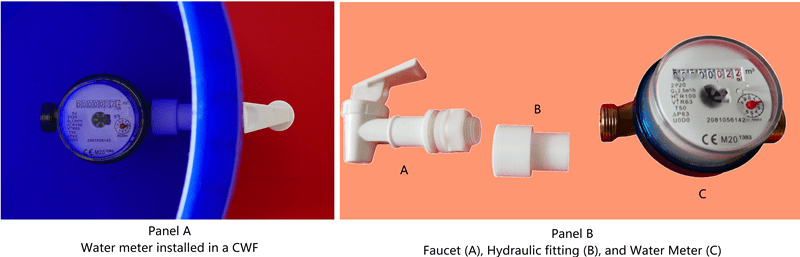
As part of our cluster randomized controlled trial, we are distributing a ceramic water filter to each household in the study. In these filters, we have installed domestic meters to monitor water usage over a six-month treatment period. This approach allows us to observe the impact of our intervention and gather valuable data for our study which no other study has ever collected so far.
Picture: Our project team in Nairobi starting the baseline survey in Kibera, September 2023. (c) University of Hohenheim, Hamid R. Oskorouchi
On September 4th 2023 the project team started a study on usage of ceramic water filters among selected households in the slum of Kibera, Nairobi.
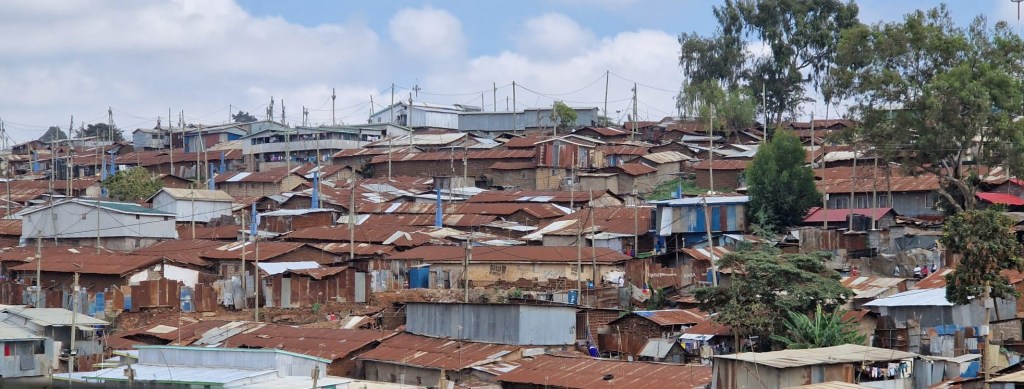
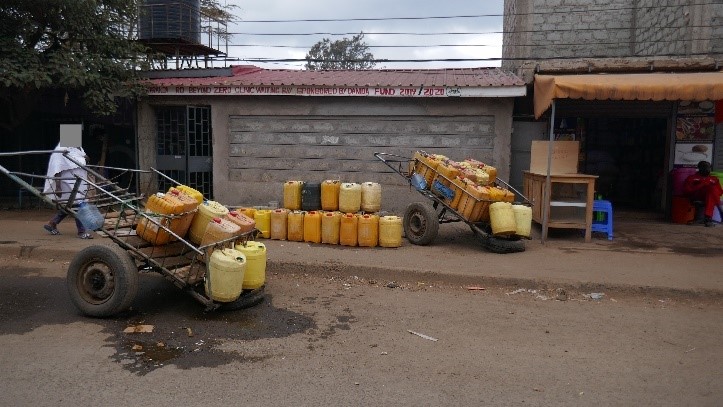
Picture: Kibera informal settlement of Nairobi. (c) University of Hohenheim, Hamid R. Oskorouchi
Water contamination is a significant global issue, leading to severe health consequences, particularly among impoverished children. In regions with inadequate or nonexistent water infrastructure, low-tech point-of-use water purification methods are often the go-to solution for policy makers. Despite the proven cost-effectiveness of these technologies in reducing waterborne diseases and mortality, their usage remains disappointingly low.
In light of this, we have embarked on a study to explore whether providing easy-to-use and easy-to-interpret water contamination test kits can boost the usage of ceramic water filters. These filters are being distributed freely to 1,008 households in the informal settlement of Kibera, Nairobi.
Our study employs a clustered randomized controlled trial design (CRT). We aim to measure the amount of filtered water collected, as recorded by a domestic water meter installed inside each ceramic water filter. This will allow us to estimate the intervention’s causal effect on a series of health and non-health outcomes, including child diarrhea and wasting.
A key aspect of our study is to determine whether the effects of providing test kits vary depending on the test outcome (positive vs. negative) and/or the type of water tested (raw vs. filtered). This nuanced approach will enable us to gain a deeper understanding of the factors influencing the adoption and effective use of water purification methods.
Through this study, we hope to contribute valuable insights that can guide policy makers in their efforts to combat water contamination and improve public health outcomes. Stay tuned for updates on our findings and their implications for water safety and health in regions like Kibera.
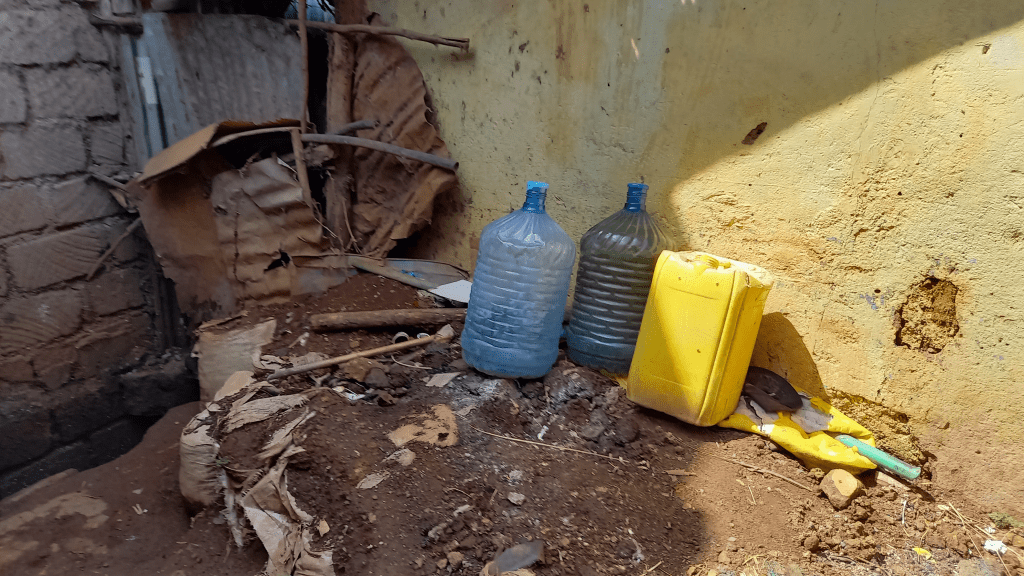
Pictures: Kibera informal settlement of Nairobi, 2023
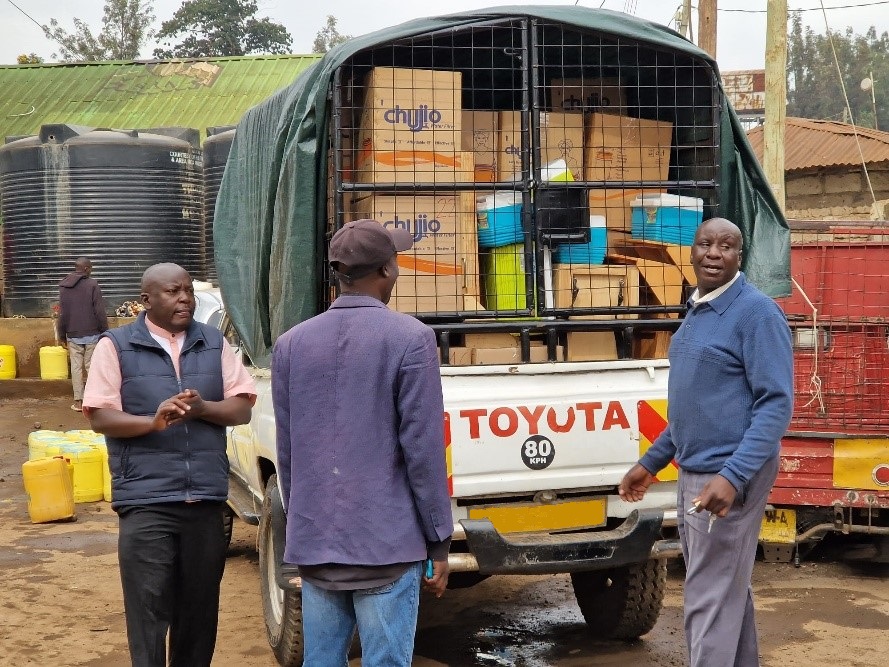
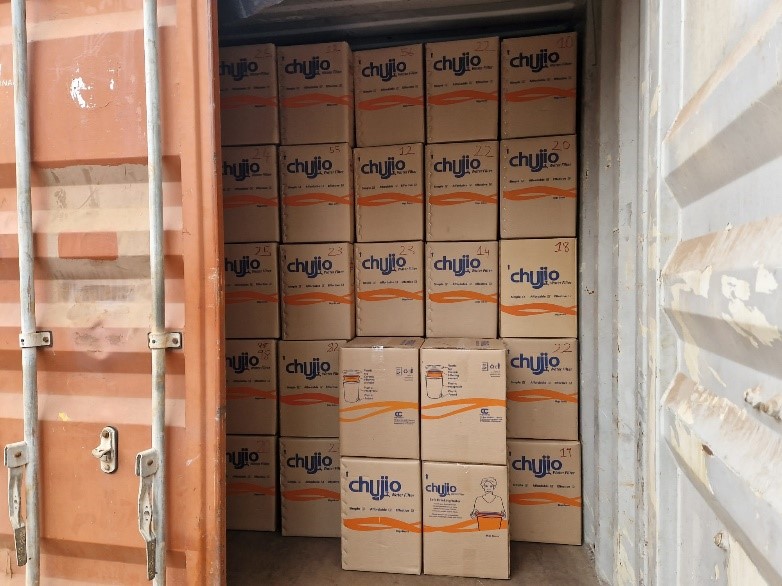
Today, we are pleased to announce that all necessary materials for our study have been successfully delivered to our local team in Kenya. This includes 1,050 ceramic water filters (CWF), domestic water meters to measure the water usage, and 2,400 high-sensitivity E.coli water tests for measerung the water contamination. We extend our gratitude to all who helped us, particularly to the Kenyan Medical Research Institute (KEMRI) for their invaluable support in importing a part of these materials into the country.
Prior to initiating the baseline survey activities, our principal investigators (PIs) will oversee the installation of the domestic water meters into the ceramic water filters. This process will be carried out under the strictest hygienic conditions to prevent any potential contamination of the filter elements. Once everything is properly settled, the study can finally begin!
Pictures: Study materials for the ceramic water filter (CWF) study in Kibera, Nairobi. (c) University of Hohenheim, Hamid R. Oskorouchi
Our team has successfully surveyed 1,800 households throughout the entirety of Kibera Subcounty in Nairobi. This data will be instrumental in creating a grid-based probability sampling frame for our upcoming study aiming at examining the effect of water testing on adherence to the use of ceramic water filters.
Picture: Project team (WP leaders and enumerators) are ready to start the listing activities for a study in the informal settlement of Kibera in Nairobi, March 2023.
We are grateful for the support of REMIT Kenya in this endeavor. REMIT is a professional company that has first-hand experience in collecting data in Kibera. With their assistance, we have mobilized and trained ten teams of enumerators. Each team, guided by local guides and community health practitioners, conducted interviews with selected households.
These interviews, each lasting between 10 to 20 minutes, were designed to collect essential information. This includes basic sociodemographic data on the household, child health measures (such as the prevalence of diarrhea), and insights into the household’s consumption patterns, beliefs, and attitudes towards drinking water. Through this comprehensive approach, we aim to gain a deeper understanding of the community’s water usage and health practices.
This data and knowledge will help us formulate evidence-based and needs-oriented policy recommendations to improve local communities’ health and resilience.
In the last weeks, our team has crafted the scripts, filmed, and produced two comprehensive instructional videos for our study participants in Kibera, Nairobi. The short films provide clear guidance on a) the usage and maintenance of the ceramic water filter, and b) the procedure for conducting water tests to detect coliform bacteria in their drinking water.
We are delighted to make these informative videos available to you. We hope the videos provide you with all information you need. Our special thank goes to our student assistant and team member Jacob Njiru for his invaluable support in producing easily comprehensible texts in the Swahili language, and also for his great acting in these videos!
The Hohenheim team is hiring a student or research assistant with excellent command of Kiswahili, enrolment and work permit in Germany to support field work related activities.
Application through the website of the University of Hohenheim.
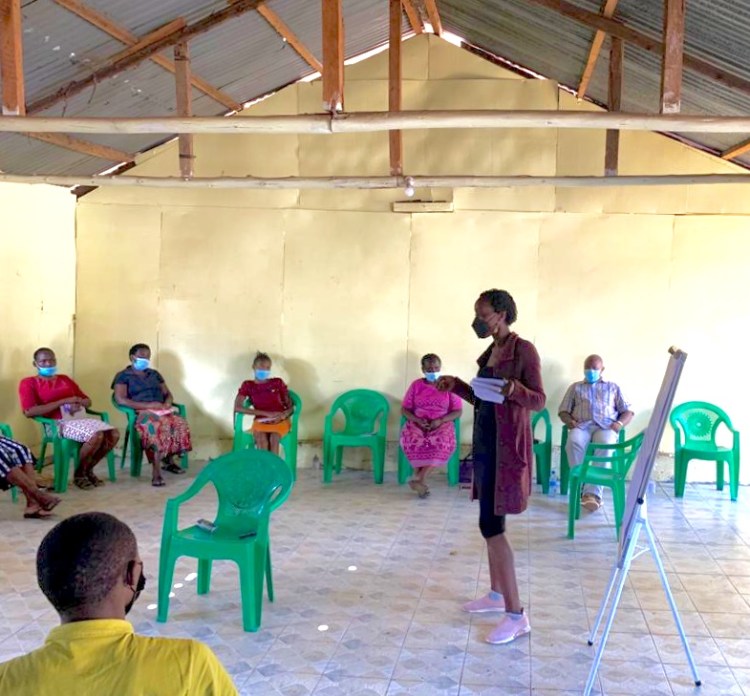
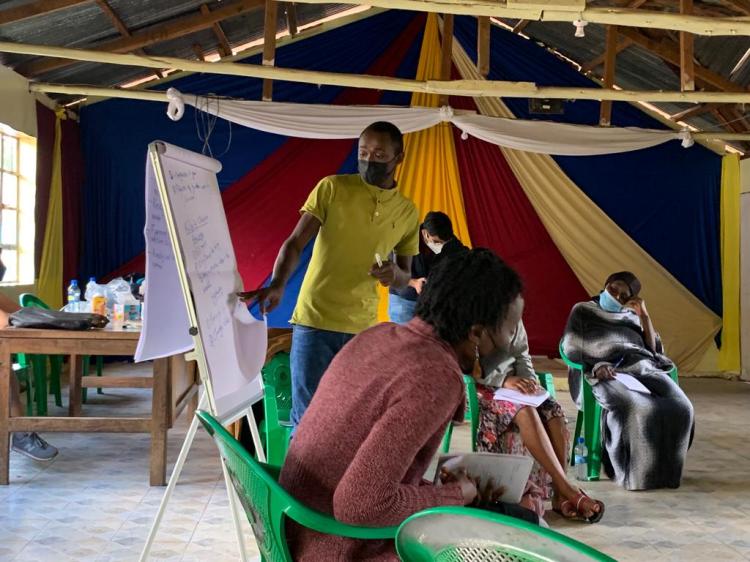
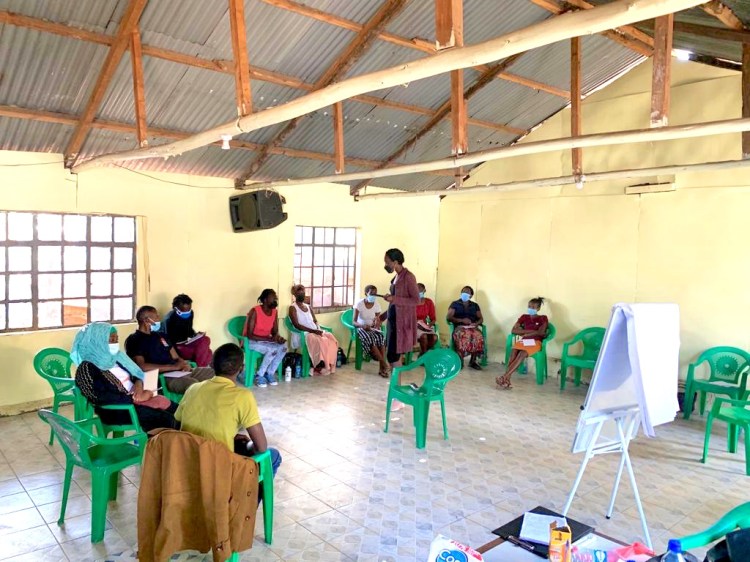
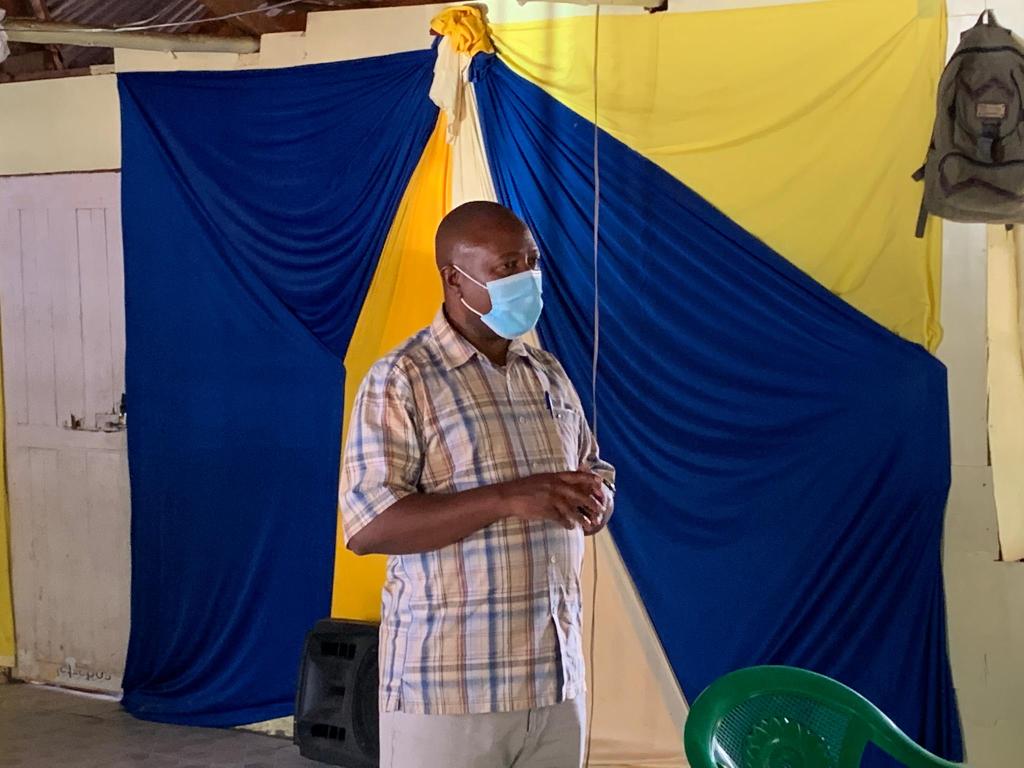
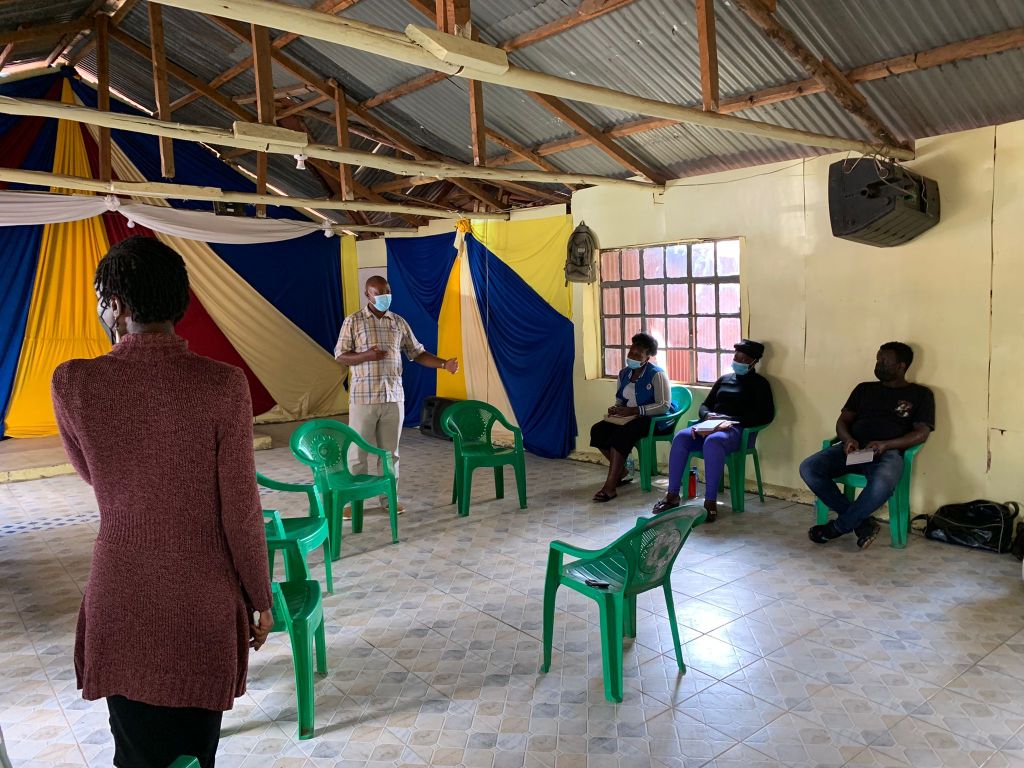
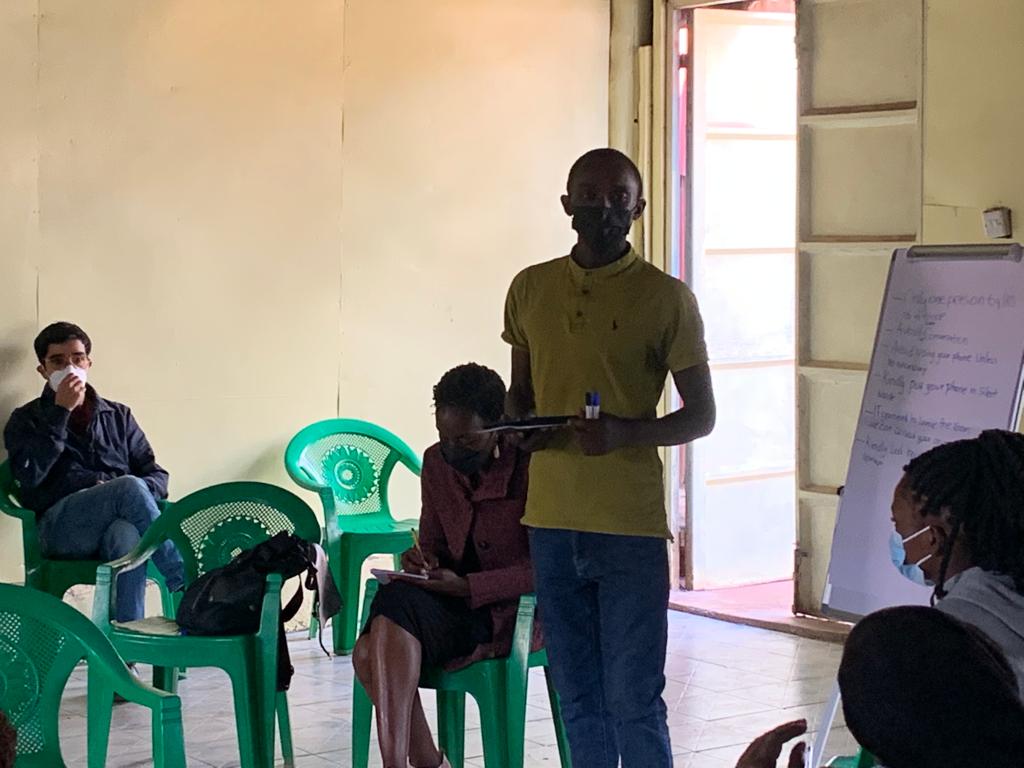
Today on Wednesday the 17th of November 2021, following up on household listing and recruitment activities on Monday, our team conducted two Focus Group Discussions with community members in Kibera, one of Nairobi’s biggest informal settlements.
We thank cordially to all who have participated in these events, particularly to the citizens of Kibera who took time to share their knowledge with us! We have learned a lot from your experiences, views and perspectives on water safety, food safety and food security issues. These insights are very important to us, as they inform our research and guide further activities. Together, we can make so much impact.
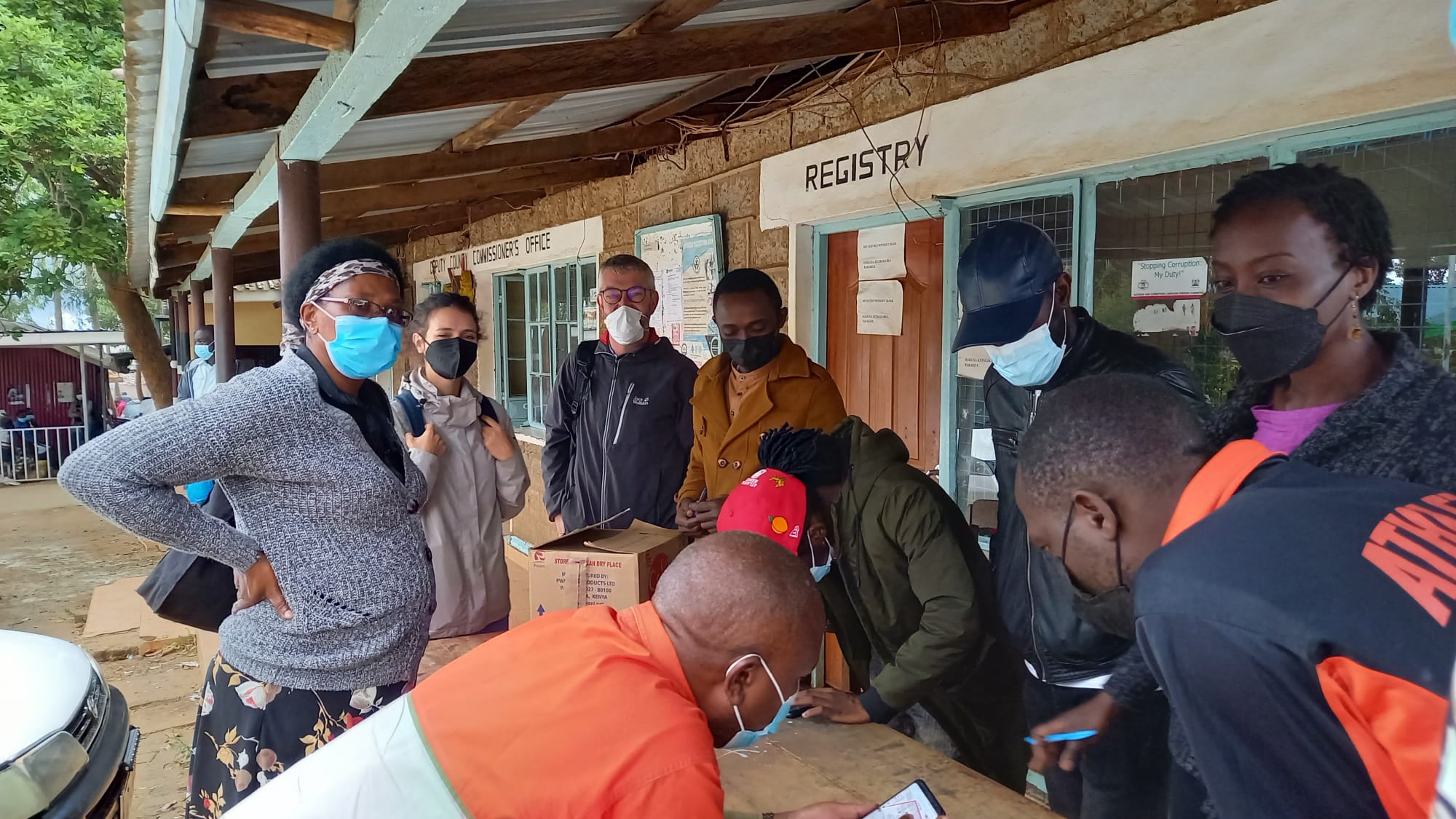
On Monday morning, SURE FOOD’s international WP 1 team meets at the Kibera Chiefs Camp to start its activities in one of Nairobi’s biggests slums – Kibera. The purpose of today’s activity is to recruit 20 households for the first Focus Group Discussion which is scheduled for Wednesday, 17 November 2021 in Kibera.
The activity is led by Dr. Hamid R. Oskorouchi and Dr. Marta Parigi. The project coordinator Prof. Dr. Alfonso Sousa-Poza (University of Hohenheim) is taking part in the activities as well.
The research team is supported by local guides and security guards.




 SURE-FOOD Project